How treatment planning differs
Conventional external beam radiation builds a single treatment plan from a CT scan acquired at the start of care. That plan is then delivered, unchanged, every weekday for 4–9 weeks. The body, however, doesn't stay still: tumors shrink, organs shift with bowel and bladder filling, and patients lose weight. The original plan is no longer the optimal plan by week three.
Adaptive radiotherapy on the Gemini 360 acquires fresh imaging before every session, lets the radiation oncology team confirm or update contours, and re-optimizes the plan to match the anatomy of the day. The dose still goes where it should — and not where it shouldn't.
Number of sessions
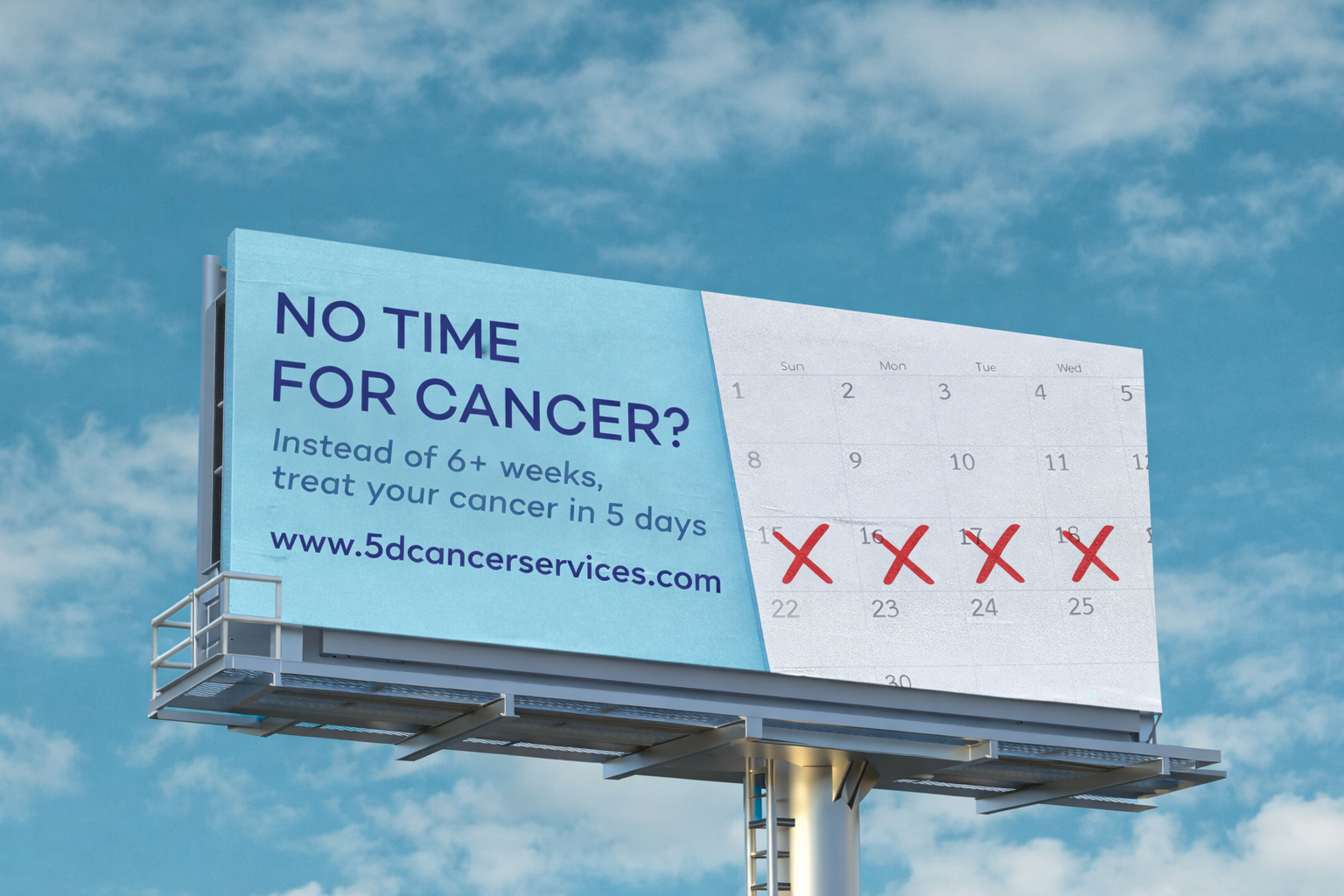
Because each adaptive treatment is delivered with very tight margins, a much higher dose can be safely delivered per session. That allows many cancers to be treated in 5 sessions over 1–2 weeks instead of 20–45 sessions over 4–9 weeks. For many patients this is the difference between continuing to work during treatment versus rearranging an entire summer.
Side effects and quality of life
When the plan is updated daily and margins are tight, less healthy tissue receives a high dose. In published series of adaptive prostate, lung, and pancreatic SBRT, both acute and late toxicity rates trend lower than historical conventional courses. Individual results vary — your radiation oncologist will discuss what to expect for your specific case.
When conventional radiation is still the right choice
- Very large treatment volumes that cannot be safely treated in 5 sessions
- Concurrent chemoradiation regimens that prescribe a specific conventional schedule
- Pediatric protocols with conventional fractionation for proven safety
- Some palliative regimens where a 1–10 session conventional course is already standard
Bottom line
Adaptive radiotherapy is not a marketing label — it's a different way of practicing radiation oncology, made possible by re-imaging and re-planning at every session. For most modern indications it is the more precise option, completed in fewer visits, with typically gentler side effects.