

Akesis Gemini 360 Clinical Value
Innovating radiation medicine with an advanced adaptive radiotherapy platform.
The Akesis Gemini 360 is an advanced adaptive radiotherapy system that combines a slip-ring based LINAC workhorse with whole-body rotational SRS/SBRT capabilities. Both treatment approaches are enhanced with end-to-end imaging guidance and intelligent adaptive therapy capabilities.

The Akesis Gemini 360 holds unique value for multi-target simultaneous irradiation, i.e., Spatially Fractionated Radiation Therapy (SFRT). Preliminary clinical studies have demonstrated significant advantages in the clinical scenario of primary tumors with nearby or distant metastases, local dose painting, addressing local advanced tumors' hypoxic zones, local dose escalation, and simultaneous preventive irradiation outside the target area.
Case Studies
Post-Breast Cancer Surgery
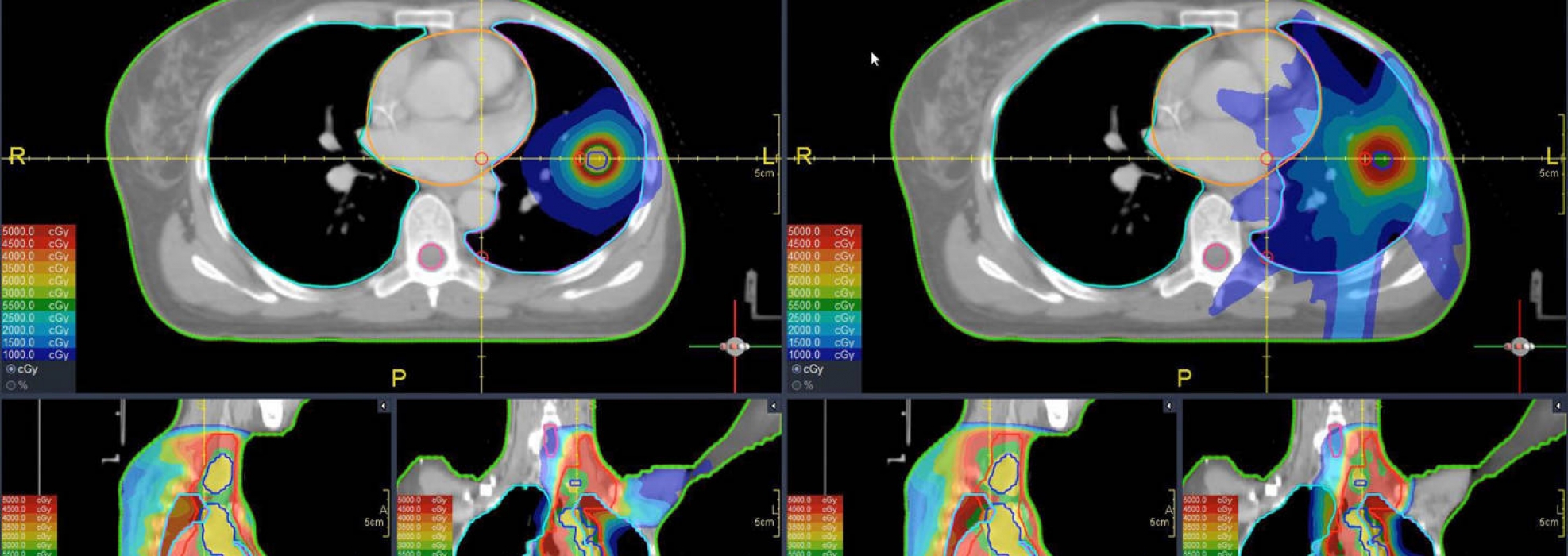
Metastasis in neck and mediastinal lymph nodes, plus lung oligometastasis. This case demonstrates the Akesis Gemini 360's advantage in multi-target simultaneous irradiation for primary tumors with nearby and distant metastases.
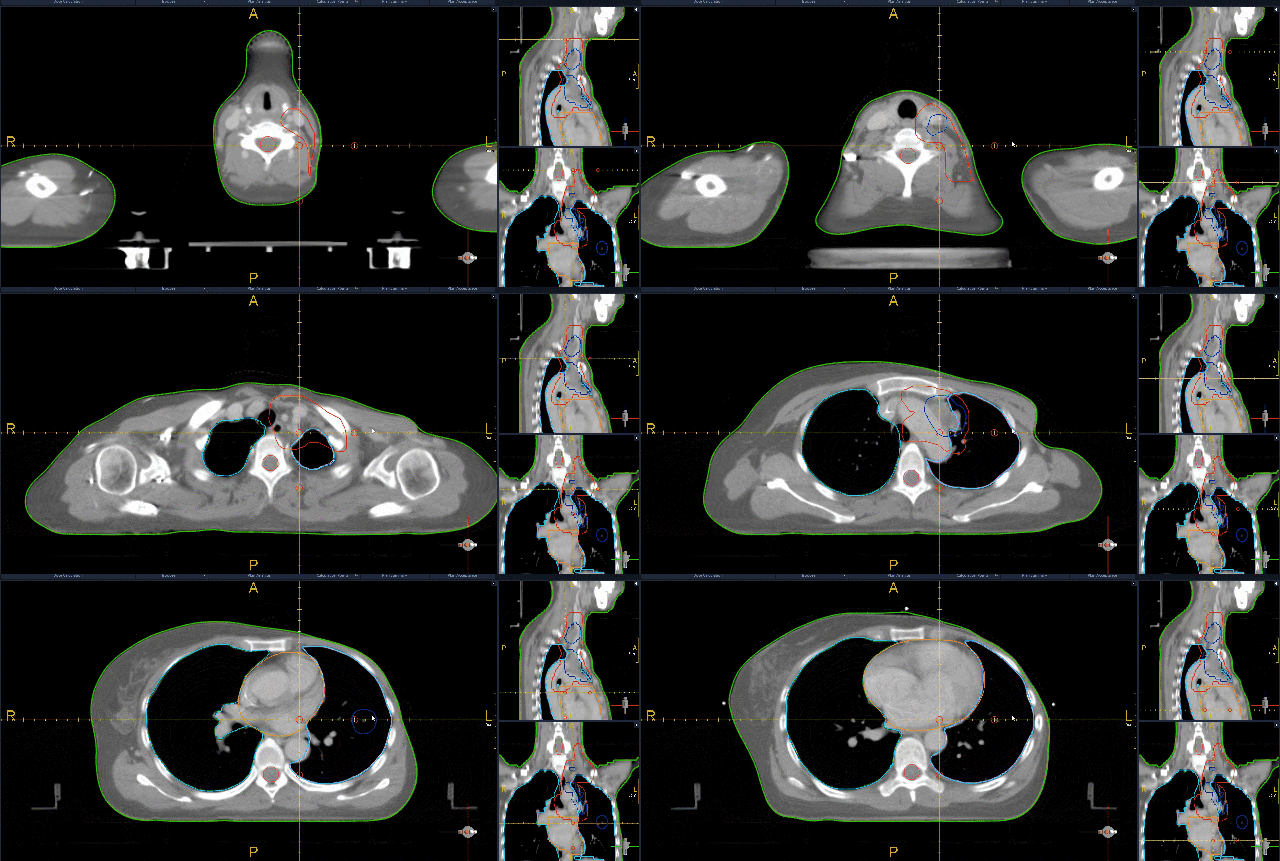
Treatment planning images showing adaptive irradiation fields
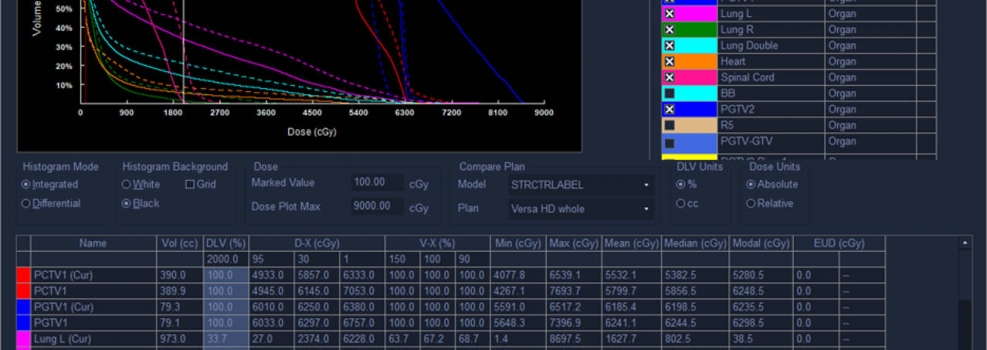
Dose distribution comparison for lymph node and lung metastasis targets
Liver Cancer
This case illustrates the Gemini 360's notable advantages in local dose painting, addressing local advanced tumors' hypoxic zones and local dose escalation for liver cancer treatment.
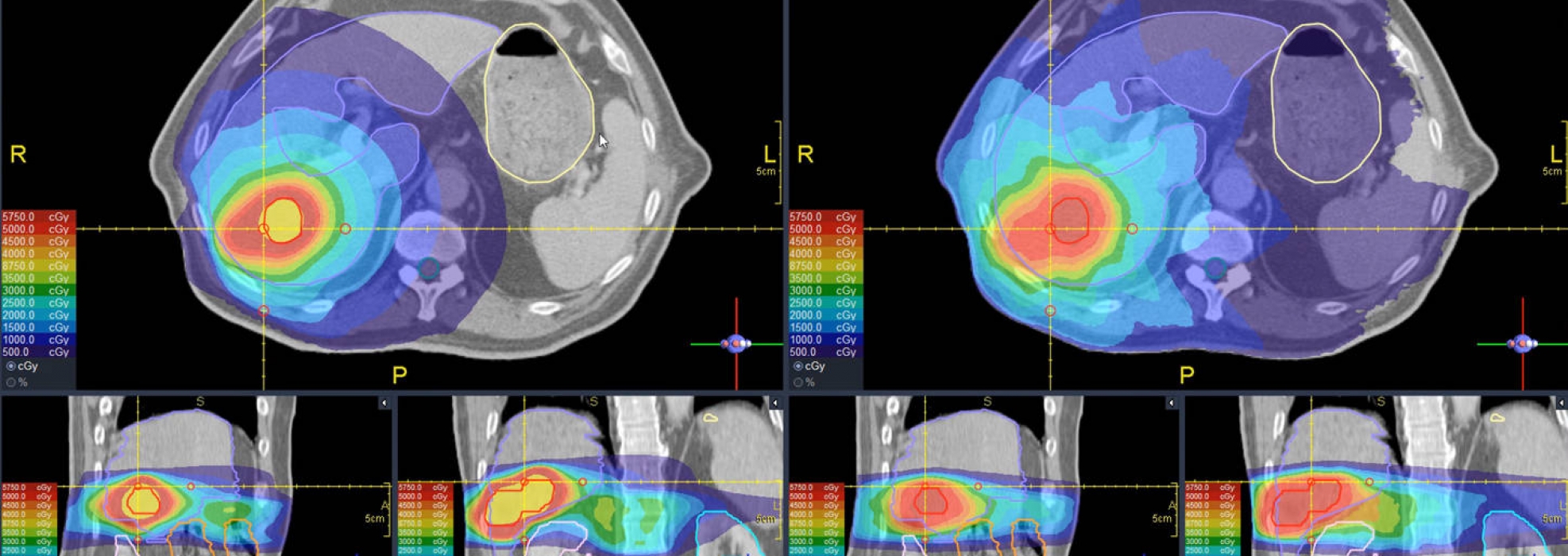
Liver cancer treatment planning images with adaptive dose painting
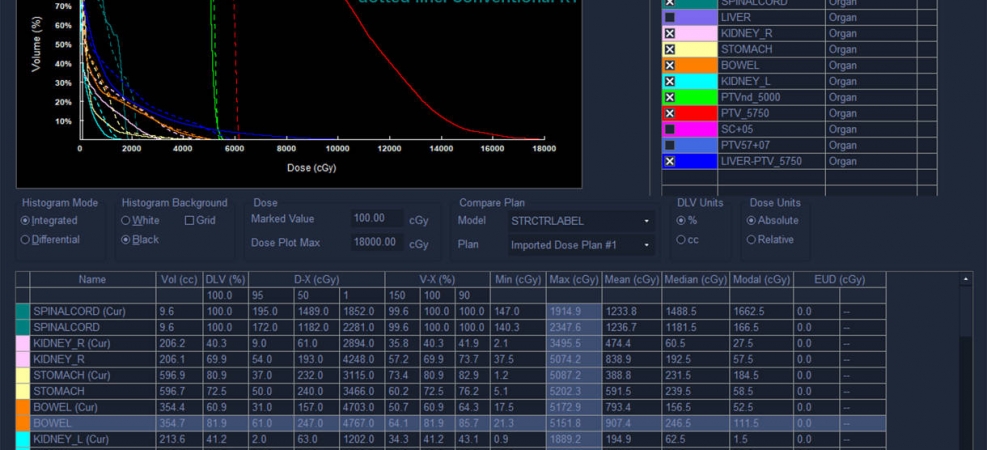
Dose distribution analysis for local advanced liver tumor
Brain Metastasis of Lung Cancer
Demonstrating the Gemini 360's capabilities in simultaneous preventive irradiation outside the target area and asynchronous boost for lung cancer brain metastasis treatment.
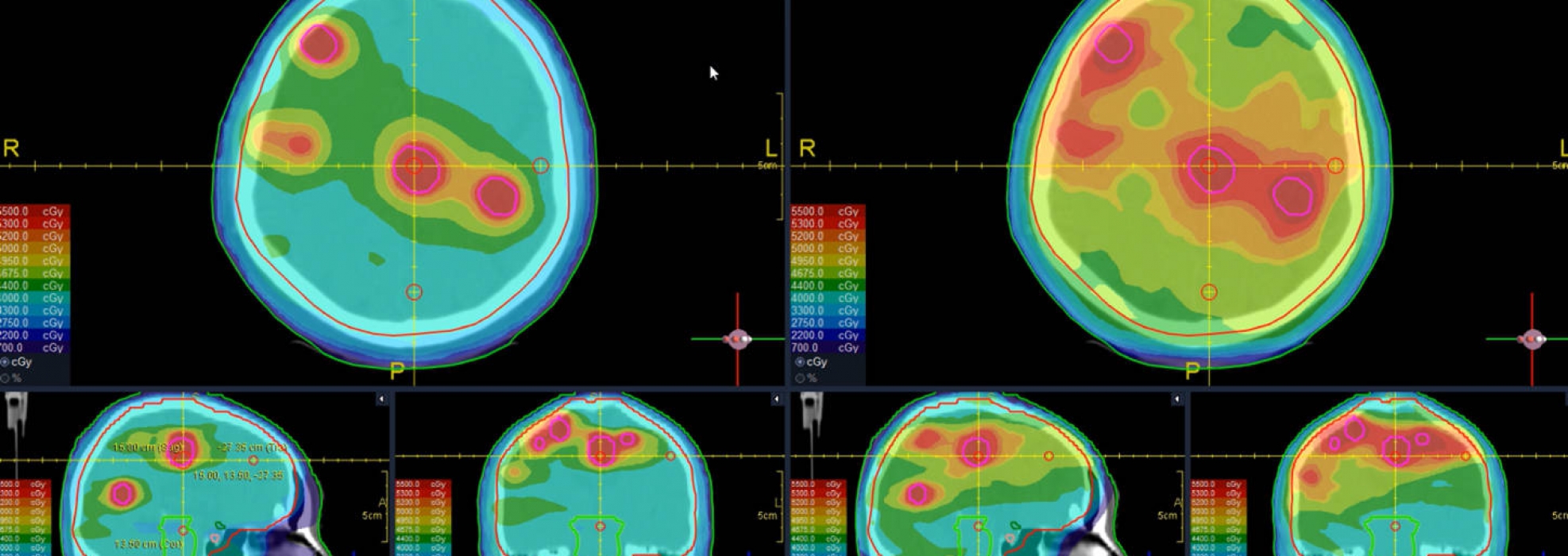
Brain metastasis treatment planning with image-guided adaptive therapy
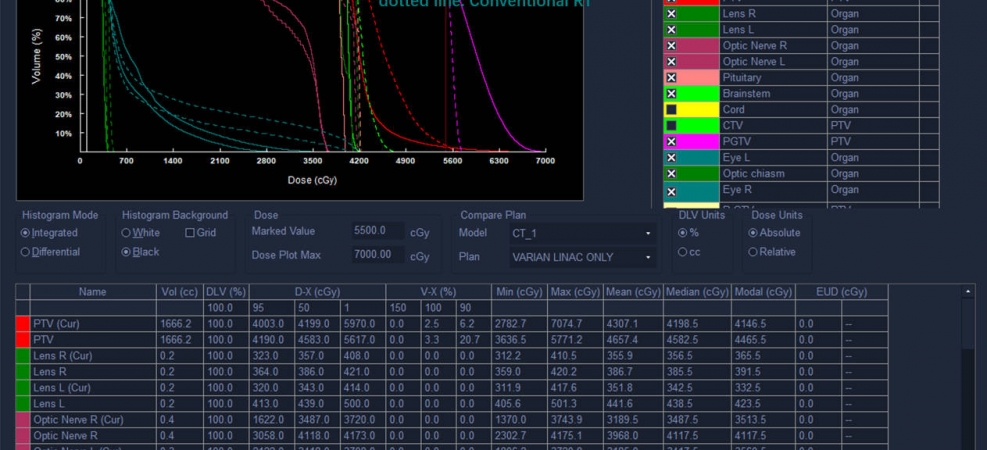
Dose distribution for brain metastasis with adaptive treatment
The Future of Adaptive Radiation Therapy
The Akesis Gemini 360 shows a remarkable advantage in local dose escalation and asynchronous boost. With one-time setup, patients go through a fully adaptive treatment, saving patients' and clinical operators' time and energy, avoiding the complexity of developing multiple treatment plans in conventional radiation therapy and the setup errors associated with multiple setups. The end-to-end imaging guidance, especially the real-time KV imaging guidance during treatment, significantly enhances treatment accuracy and efficiency.
In the hundred years of development in tumor radiation therapy, the emergence of the Akesis Gemini 360 provides a new approach to tumor treatment. With its unique clinical value advantages, it is gradually changing the paradigm of tumor treatment, opening a new chapter. We believe that with the continuous development and improvement of this technology, more patients will benefit in the future, providing essential support for the health of cancer patients.
When does adaptation actually change the dose?
Adaptation isn't useful for every patient on every day. The published clinical experience makes a clear distinction between disease sites that drift slowly across a course of treatment and those that move between fractions — and the cadence of replanning is matched to that biology.
Head & neck — weekly adaptation
Slow anatomic change
Tumor regression and patient weight loss tend to develop over the course of treatment, not from one day to the next. Published clinical practice typically uses scheduled offline replans (often weekly, or triggered by imaging) so the plan keeps pace with the shrinking tumor and shifting parotids without re-planning every fraction.1,3
Cervical — daily adaptation
Fraction-to-fraction motion
The cervix and uterus shift centimeters between fractions with bladder filling and bowel motion. A "plan-of-the-day" online adaptive workflow — selecting from a library of pre-built plans, or fully recalculating against today's CBCT — keeps the high-dose volume on the target while sparing bowel and rectum.4,5
Prostate — daily adaptation, tighter margins
Side-effect reduction
Daily replanning lets clinicians safely shrink PTV margins. In a randomized phase III trial of stereotactic prostate treatment, tighter, image-guided adaptive delivery roughly halved the rate of significant acute genitourinary side effects compared to a conventionally guided arm.6
Hypofractionation, supported by evidence
Fewer, bigger fractions
Phase III data — including the PACE-B trial in localized prostate cancer — show that 5-fraction stereotactic body radiotherapy delivers cancer-control outcomes comparable to conventional 20–39 fraction courses, with similar or lower acute toxicity. Adaptation makes those tighter, larger doses safer to deliver.7
Want the full background on how adaptive workflows are designed?
Our education hub walks through online vs offline adaptation, CT/CBCT/MRI imaging trade-offs, and AI-assisted contouring.
References & further reading
All citations link to the original peer-reviewed source. Clinical outcomes vary by disease site, technique, and patient factors. This page is educational and does not constitute medical advice.
- 1.
Heukelom J, Fuller CD. Head and Neck Cancer Adaptive Radiation Therapy (ART): Conceptual Considerations for the Informed Clinician. Semin Radiat Oncol. 2019;29(3):258–273.
doi.org/10.1016/j.semradonc.2019.02.008 - 2.
Green OL, Henke LE, Hugo GD. Practical Clinical Workflows for Online and Offline Adaptive Radiation Therapy. Semin Radiat Oncol. 2019;29(3):219–227.
doi.org/10.1016/j.semradonc.2019.02.004 - 3.
Sonke JJ, Aznar M, Rasch C. Adaptive Radiotherapy for Anatomical Changes. Semin Radiat Oncol. 2019;29(3):245–257.
doi.org/10.1016/j.semradonc.2019.02.007 - 4.
Heijkoop ST, Langerak TR, Quint S, et al. Clinical Implementation of an Online Adaptive Plan-of-the-Day Protocol for Nonrigid Motion Management in Locally Advanced Cervical Cancer IMRT. Int J Radiat Oncol Biol Phys. 2014;90(3):673–679.
doi.org/10.1016/j.ijrobp.2014.06.046 - 5.
Sibolt P, Andersson LM, Calmels L, et al. Clinical implementation of artificial intelligence-driven cone-beam computed tomography-guided online adaptive radiotherapy in the pelvic region. Phys Imaging Radiat Oncol. 2021;17:1–7.
doi.org/10.1016/j.phro.2020.12.004 - 6.
Kishan AU, Ma TM, Lamb JM, et al. Magnetic Resonance Imaging-Guided vs Computed Tomography-Guided Stereotactic Body Radiotherapy for Prostate Cancer: The MIRAGE Randomized Clinical Trial. JAMA Oncol. 2023;9(3):365–373.
doi.org/10.1001/jamaoncol.2022.6558 - 7.
Brand DH, Tree AC, Ostler P, et al. Intensity-modulated fractionated radiotherapy versus stereotactic body radiotherapy for prostate cancer (PACE-B): acute toxicity findings from an international, randomised, open-label, phase 3, non-inferiority trial. Lancet Oncol. 2019;20(11):1531–1543.
doi.org/10.1016/S1470-2045(19)30569-8
Case-study image sources
Treatment planning images and dose-distribution figures used in the case studies above.